
New York’s Elm Sanitation Strategy
Silent SpringThis flow follows an alternative to repeated spraying: removing diseased and beetle-breeding elm wood.
increasing Bearing strength in each event
 decreasing
Bearing strength in each eventdecreasingDisease Reaches the United States
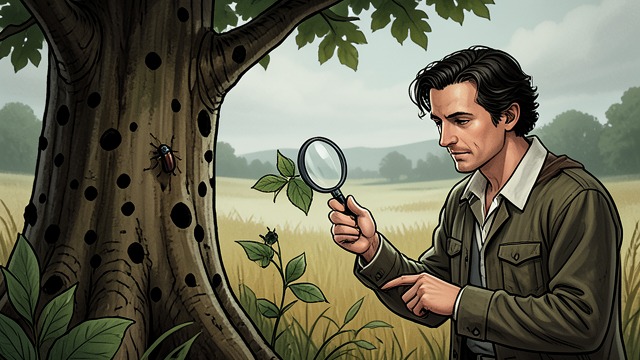
An Imported Threat
A Fungus and Its Carrier
Dutch elm disease entered the United States from Europe in imported elm logs. The fungus damaged water-conducting vessels, while elm bark beetles carried it between trees.
A Tempting Response
Communities turned to spraying the carrier beetle. The method promised a direct intervention but risked affecting birds and other organisms across whole neighborhoods.
New York Takes Another Route
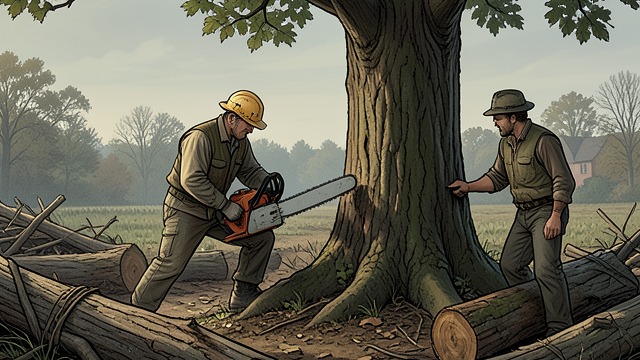
Sanitation Before Spraying
Removing Breeding Material
New York State focused on prompt removal of diseased trees and elm wood where beetles could breed. Experience showed that stored infected wood could release beetles unless treated before spring.
Targeted Practice
The method depended on identifying dangerous material rather than treating every tree and surrounding habitat. It sought to interrupt disease transmission while limiting collateral exposure.
The City’s Losses Decline
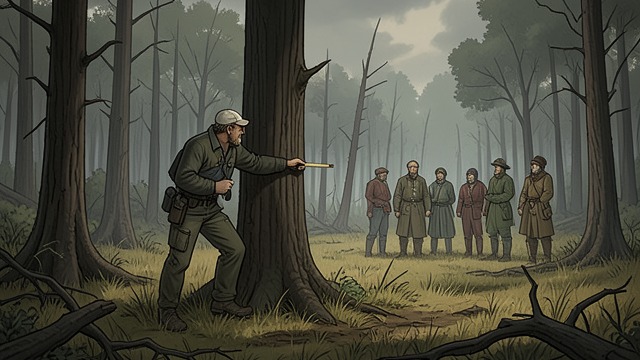
A Measurable Result
Disease Suppressed
New York City reduced the incidence of Dutch elm disease to a tiny fraction of its elm population. Other New York communities also recorded low annual losses under sanitation programs.
Evidence Against Necessity
The results showed that repeated blanket spraying was not the only response. A program based on sanitation could contain the disease without imposing the same broad pesticide burden.
Syracuse Changes Course
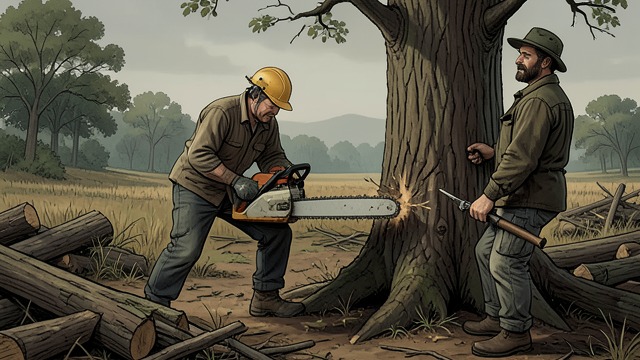
Removal Replaces Delay
Earlier Losses
Syracuse lost thousands of elms during years without an effective program. Under Howard C. Miller’s direction, workers began removing diseased trees and possible beetle-breeding wood.
A Lower Annual Rate
The disease’s rate of loss fell below one per cent per year. Carson presents the result as evidence that informed, focused action could work where indiscriminate treatment had not been necessary.
A More Diverse Urban Forest
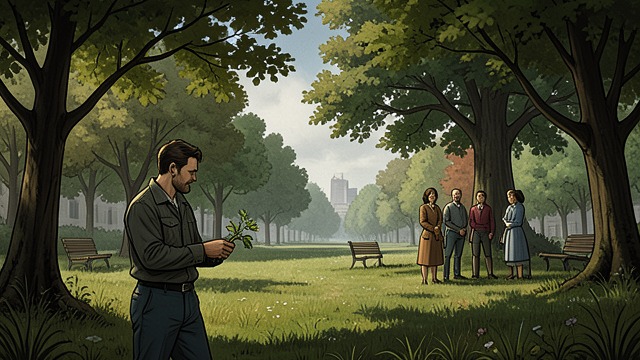
Resilience Through Variety
Beyond a Single Species
Carson supports replanting but cautions against replacing one uniform planting with another. A future epidemic would again threaten a community dependent on a single tree species.
A Broader Principle
The conservation of variety becomes a practical lesson in city planning. Diversity can reduce vulnerability while preserving tree cover and the habitat that supports urban wildlife.
Around 1930
From the early years of the disease response
By 1950
After an intensive program began in 1957
As communities planned for future elm losses
